Treatments that treat the person, not just the appointment
Navey Blu is a single treatment room off Chadderton Drive. One therapist, one client, no rushed turnaround between bookings. Facials, massage, reflexology and aromatherapy run in 60 or 90 minute slots so nothing gets cut short.
Free parking outside. No card details taken when you book.
Insured and qualified
Public liability cover and VTCT level 3 training held by every therapist working in the room.
Four things that change how a treatment lands
One therapist, start to finish
The person who reads your skin at the consultation is the person treating you in week six. Nothing gets handed over, so nothing gets repeated back to you wrongly.
Consultation before anything else
Twenty minutes, no charge, no obligation. We look at skin, ask about medication and sleep, and say plainly if a treatment is the wrong fit for you.
Products picked for the skin
Eve Taylor for most facial work because the ranges are fragrance controlled and the ingredient lists are legible. If what you own already works, we leave it alone.
Aftercare you can follow
Three steps, written down, no upsell attached. Most of it is subtraction: fewer actives, less heat, and a gap before the next appointment.
Start with the reason you are booking
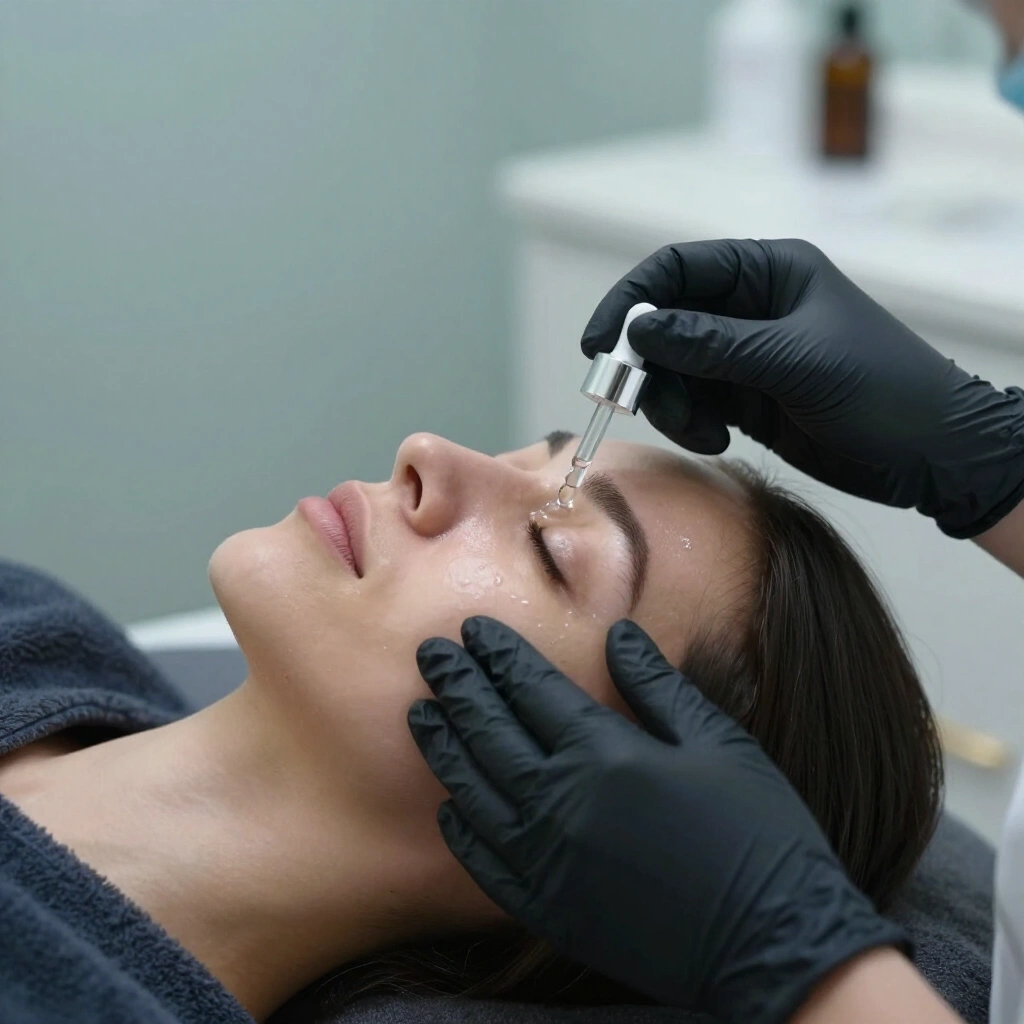
Facials and skin health
Congestion, reactivity, pigmentation and the slow dullness that follows a bad winter. Sixty or ninety minutes, with the first ten spent reading the skin under a lamp rather than working on it. Results facials and relaxation facials are booked separately because they are not the same treatment.
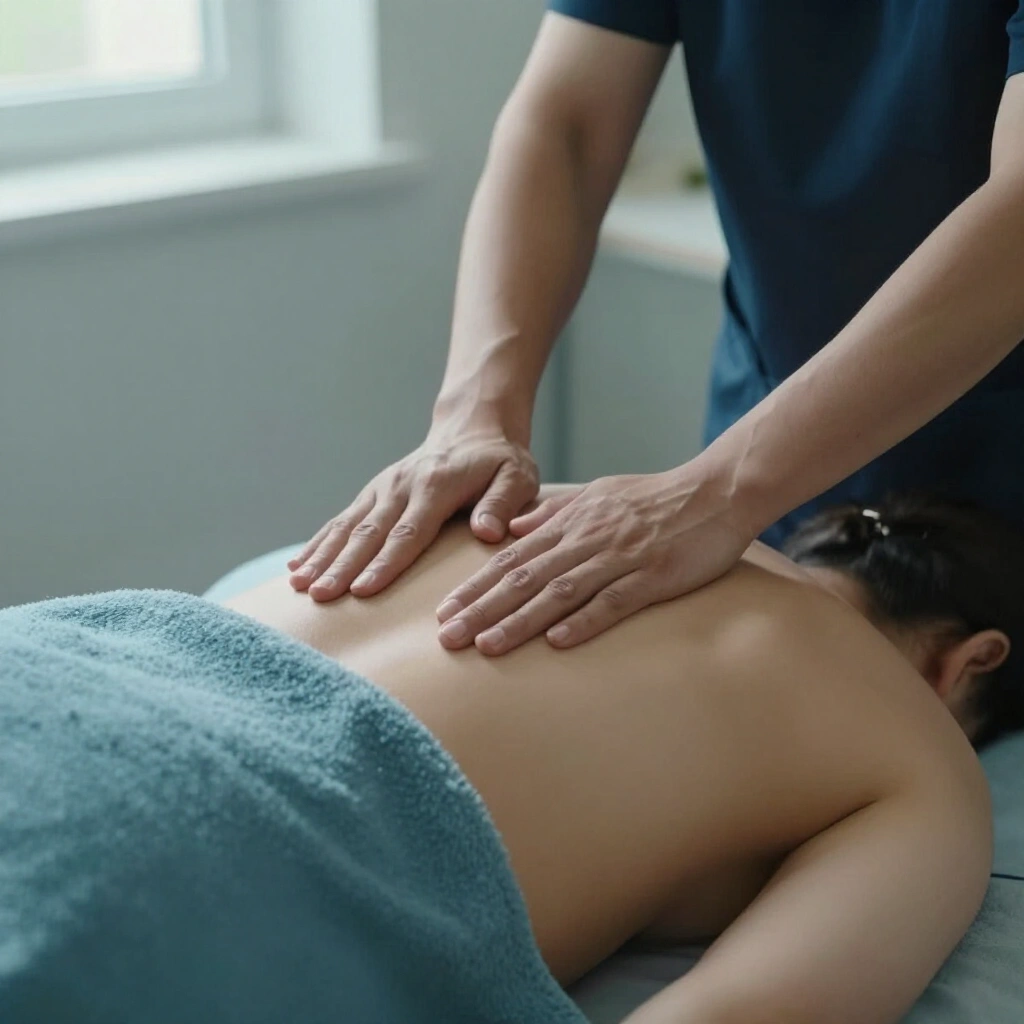
Massage and bodywork
Deep tissue, Swedish, hot stone, pregnancy and menopause work. Booked by what your shoulders are actually doing rather than by the name on a price list. Pressure gets agreed in the first five minutes and adjusted out loud, not guessed at while you lie there.
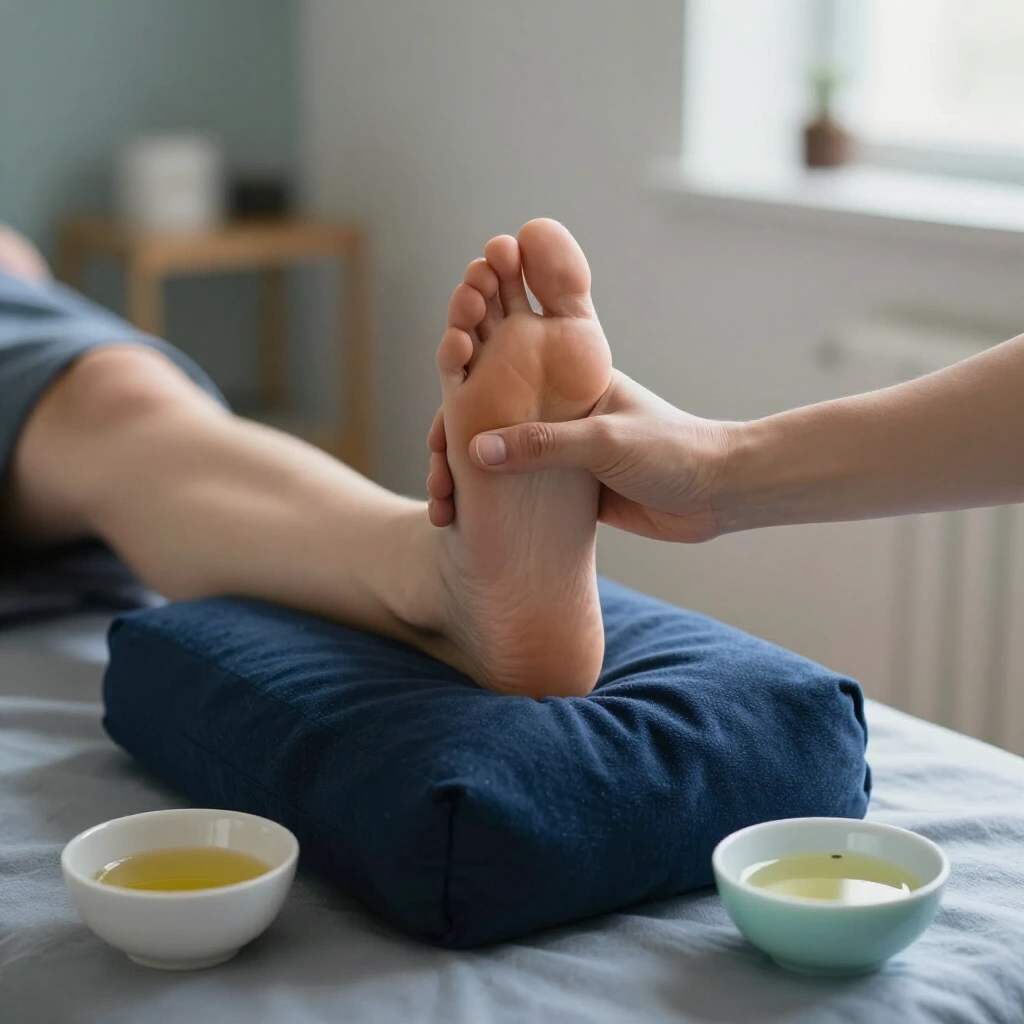
Holistic therapies
Reflexology, aromatherapy blending, Indian head massage, reiki and crystal work. These sit alongside the beauty side rather than replacing it. We are direct about what the evidence supports and what people simply find restful, and we let you decide from there.
Facials, and what a good one actually does
Most people book a facial when something has already gone wrong. Skin has turned reactive after a winter of central heating, a run of night shifts has left it grey, or a new product has caused a reaction that will not settle. That is a reasonable trigger. The trouble starts when one appointment is asked to undo six months of accumulated stress, and then gets blamed for failing.
A facial is a diagnostic appointment with treatment attached
The first ten minutes of any facial here are spent looking rather than working. Skin gets cleansed, then read under a magnifying lamp: where oil actually sits, where dehydration shows up as fine crepe rather than flakes, whether redness follows the cheekbones or spreads across the chin and jaw.
That reading changes everything after it. Two people booked into the same sixty minute slot can leave having had almost nothing in common, because one needed barrier repair and the other needed decongesting. If a salon skips the reading and reaches for the same steamer and the same sheet mask every visit, you are buying a routine rather than a treatment.
Relaxation facial or results facial: decide before you book
These are different products and the difference matters. A relaxation facial is built around massage. Expect roughly forty of the sixty minutes to be hands on the face, neck and shoulders, warm towels, and very little in the way of active ingredients. You leave calm and slightly flushed. If your skin is stable and your nervous system is not, it is the right choice.
A results facial spends the same hour differently. Cleansing is doubled, exfoliation is chosen for your skin type rather than for strength, and the active step sits on the skin for a measured interval with a timer running. Massage shrinks to about five minutes. You may leave a little pink. The gain shows up over the following week to ten days, not on the drive home.
Booking the wrong one is the most common reason people tell us a previous facial felt like wasted money. Say what you want out loud at the consultation and the choice makes itself.
How often skin actually needs treating
Skin renews roughly every twenty eight days in your twenties, and that slows with age, closer to forty days by your fifties. That biology sets a sensible rhythm. Every four to six weeks while you are treating an active concern such as congestion or pigmentation. Every eight to twelve weeks once you are maintaining.
Weekly facials do not speed the process up. They mostly irritate, and irritated skin looks worse than untreated skin. If money is tight, four well spaced treatments across a year with decent home care will beat twelve rushed ones with none. We would rather say that than sell a course you resent by session three.
Bring your current routine to the consultation
Photograph the bottles on your shelf, or put them in a bag. Roughly half the skin complaints that come through the door are caused by the routine rather than by the skin. Three exfoliating products used on rotation. A foaming cleanser stripping an already dry barrier. A retinol started at full strength in January with no build up.
None of that needs a new purchase to fix. It needs subtraction, and subtraction is free. We use Eve Taylor for most facial work because the ranges are fragrance controlled and you can read the ingredient list without a glossary, but that is a preference rather than a rule.
The twenty four hours afterwards matter as much as the hour itself
Leave the skin alone. No makeup that evening if you can manage it, no acid exfoliant for three days, and sunscreen the next morning even in Teesside in November. Heat is the one people forget. A hot bath or a gym session straight after a stimulating facial pushes redness further than the treatment did.
Drink water because you should be drinking water anyway, not because a facial dehydrated you. That claim gets repeated in salons across the country and there has never been much behind it.
Purging is the other thing worth knowing about. If a treatment has moved congestion that was already sitting under the surface, spots can appear in the same areas within a few days and clear within two weeks. Breakouts in new areas, or ones that itch and sting, are a reaction rather than a purge. Ring us if that happens instead of waiting until the next appointment.
One honest caveat
Facials will not shift deep static lines, remove broken capillaries, or resolve hormonal acne on their own. Those need advanced electrolysis, laser, or in some cases a GP appointment and a prescription. Any therapist promising that sixty minutes and a mask will handle them is selling you something. Ask what a treatment cannot do before you ask what it can, and judge the answer you get.

Reading the skin under a lamp before anything is applied. Ten minutes of the hour, every time.
The treatment match grid
Price lists tell you what a treatment costs. They rarely tell you what it is for, how long a real course runs, or where it stops being useful. This grid does. Read the last column first. If the thing you want fixed is sitting in it, book the consultation and we will point you somewhere else, including out of the door to a GP.
| Treatment | Best for | Session | Typical course | What it will not do |
|---|---|---|---|---|
| Results facial | Congestion, uneven tone, dullness, early pigmentation | 60 or 90 min | Six sessions, four to six weeks apart | Remove thread veins or deep static lines |
| Relaxation facial | Stable skin, tension held in the jaw and neck, poor sleep | 60 min | One off, or every eight weeks | Clear congestion or change pigmentation |
| Deep tissue massage | Desk and driving posture, shoulder and lower back load | 60 or 90 min | Three weekly, then monthly | Fix a problem caused by your chair or your van seat |
| Aromatherapy massage | Stress load, low mood, difficulty switching off at night | 75 min | Monthly, ongoing | Treat a diagnosed condition or replace medication |
| Reflexology | People who want bodywork without undressing, tired legs and feet | 45 or 60 min | Four sessions, fortnightly | Diagnose anything about your organs, whatever a chart claims |
| Indian head massage | Tension headaches, scalp tightness, short lunch break slots | 30 min | Fortnightly during busy spells | Address migraine with a medical cause |
Session lengths are the actual time on the couch, not the time between appointments. Courses assume you follow the aftercare, which most people manage for about ten days. If yours slips, say so and we will adjust the spacing rather than push the same plan and hope. Prices are confirmed at the consultation because the right treatment is decided there, not before.
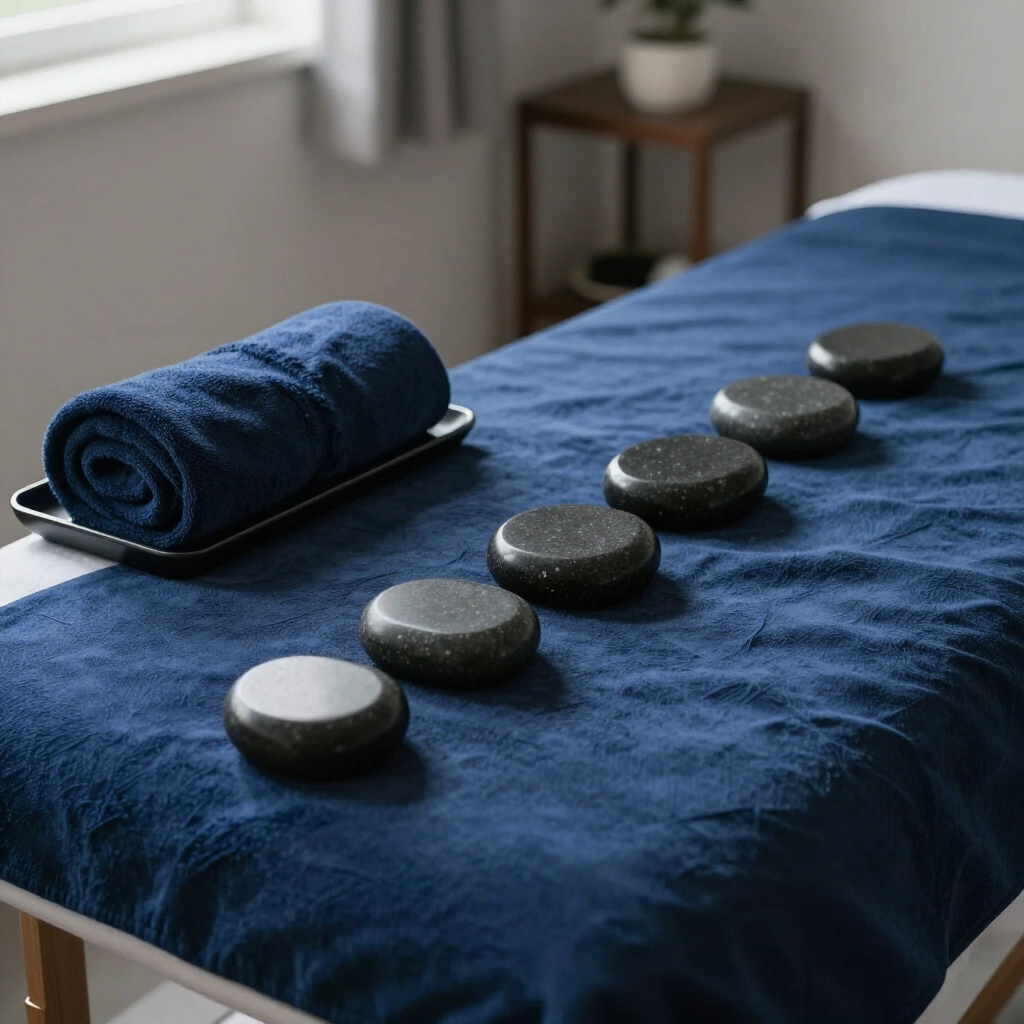
Stones held at around fifty degrees. Warm tissue takes depth with far less force.
Massage as a working tool, not a treat
Massage gets filed under treats, next to a box of chocolates and a bath bomb. That framing costs people results. Used properly it is a working tool for load, posture and recovery, and the people who get the most out of it are the ones who book it like physiotherapy rather than like a birthday present.
Swedish, deep tissue and hot stone: what the labels mean
Swedish massage uses long flowing strokes at light to moderate pressure. It moves fluid, calms the nervous system, and suits anyone who is tired rather than tight. Deep tissue works slower and across the grain of the muscle, targeting specific bands rather than covering the whole back evenly. It should feel like firm, tolerable pressure with your breathing steady, never like something you have to brace against.
Hot stone sits between the two. Basalt stones held at around fifty degrees warm the tissue first, which means the therapist can reach depth with less force. If you find deep tissue too intense but light work does nothing, this is usually the answer, and it is the treatment we recommend most often to people who have had one bad experience of pressure and given up.
Menopause and pregnancy work
Both need adjustment rather than a different set of hands. Pregnancy massage after twelve weeks is done side lying with bolsters, avoids deep abdominal and certain ankle points, and keeps sessions to sixty minutes. It helps most with lower back load and swollen legs in the third trimester.
Menopause massage is about temperature and nervous system regulation as much as muscle. Rooms run cooler, stones come off the menu during a hot flush phase, and blends drop the stimulating oils. Broken sleep responds better to a regular monthly slot than to one long session when things get bad.
Why a single session rarely holds
Tissue that has been tight for eight months will feel loose for about four days after one treatment, then drift back. That is not a failure of the massage. It is the same posture, the same chair, the same steering wheel reasserting itself.
Three sessions at weekly intervals, then a monthly slot, changes the pattern for most people with desk or driving load. Somebody lifting all day may need fortnightly through winter. We say which one applies after the first appointment, once there is something to compare against, rather than selling a block of ten on day one.
Pressure, and the myth that harder is better
Bruising is not evidence of a good massage. It is evidence of pressure applied faster than the tissue could adapt to. Muscle guards when it is overloaded, which means the therapist ends up fighting the exact tension they were asked to release.
Speak up during the session. A good therapist will ask twice in the first ten minutes and then read your breathing for the rest. If you find yourself holding your breath, the pressure is wrong, whatever number you agreed to at the start. Soreness the next day is normal, and it should feel like the day after a gym session rather than an injury.
What we ask before the first session
Four questions, and they are not paperwork for its own sake. What does your day physically look like, hours seated and hours on your feet. Where does the pain sit when it is at its worst, and does it travel. What medication are you on, because blood thinners and recent steroid injections change what is safe. And what has been tried already, so we are not repeating a month somebody else has spent.
Answers take five minutes and they shape the whole hour. People who describe their job honestly get a better massage than people who say they are fine and hope the therapist finds it.
What to do in the forty eight hours after
Move gently and often. A twenty minute walk beats lying still, and lying still beats a heavy training session. Heat helps stiff muscle, so a warm bath that evening is fine. Alcohol is worth skipping the same night, mostly because it disturbs the sleep that does the actual repair work.
One honest caveat
Massage will not resolve nerve pain, a disc problem, or anything that wakes you in the night with symptoms down one arm or leg. Those need a GP or a physiotherapist first, and a decent therapist will send you there rather than book you in for six sessions. We do the same, and we will happily treat you afterwards alongside whatever they recommend.
Inside the Thornaby treatment room
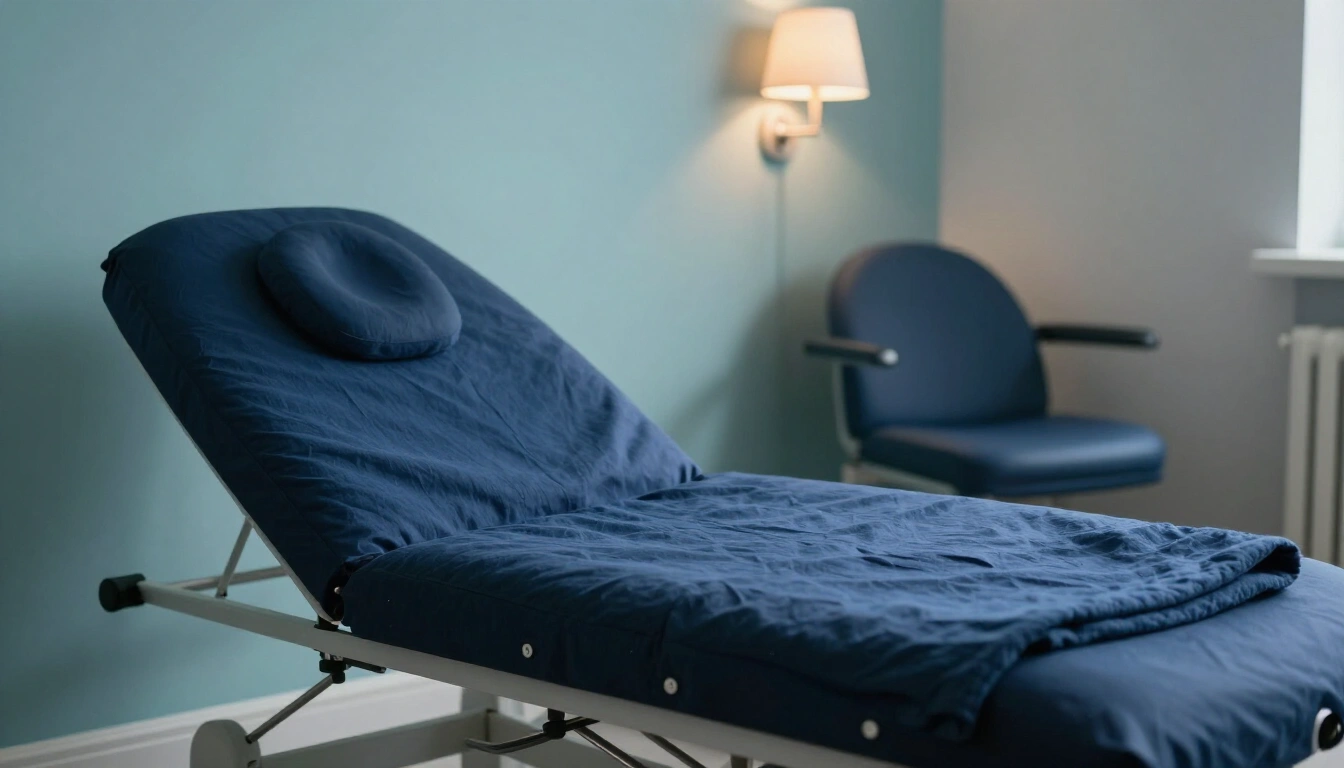
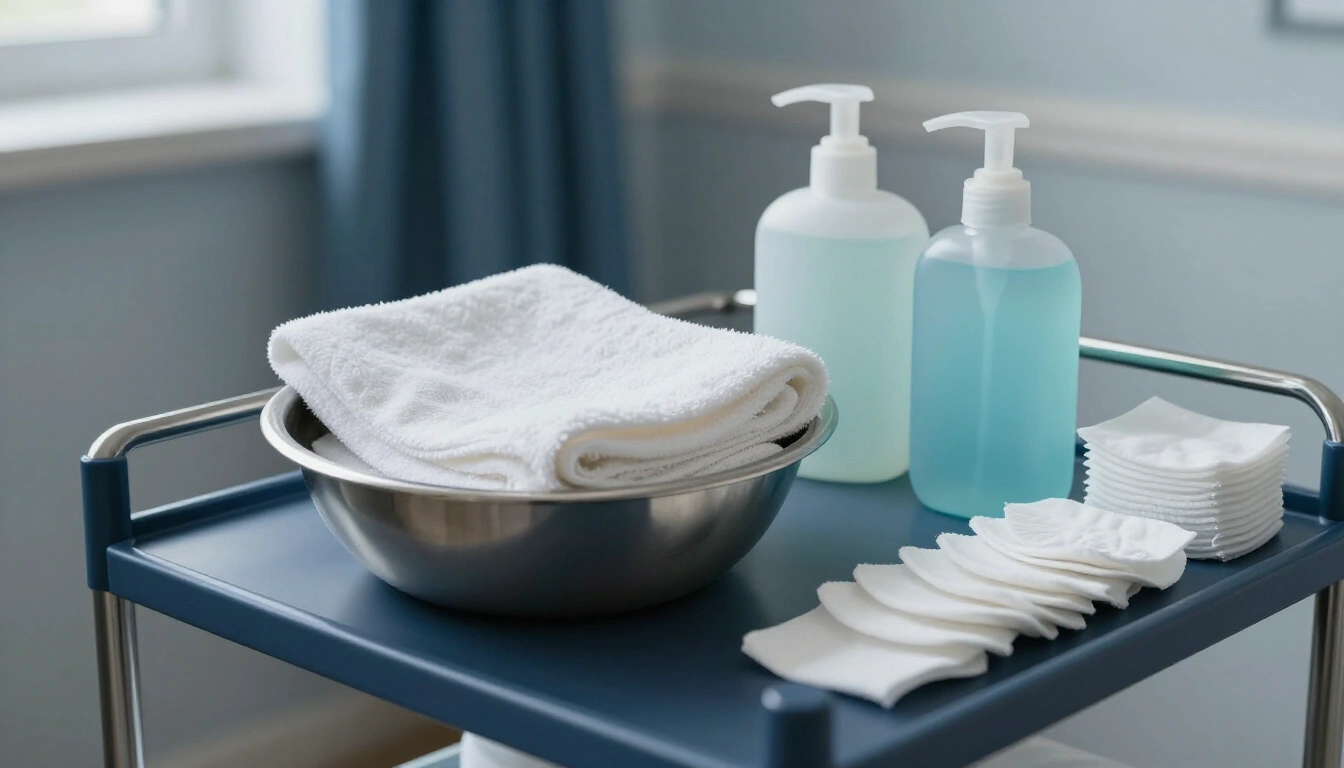
One couch, one client at a time, and a door that closes properly. The room runs at 22 degrees, the lighting is on a dimmer rather than a strip light, and the linen is changed between every appointment. Nothing here is styled for a photograph. It is what you walk into on a wet Tuesday in Stockton.


Reflexology, aromatherapy and the therapies people argue about
This is the part of the treatment list where people either roll their eyes or go all in, and neither reaction is much use to you. Reflexology, aromatherapy, Indian head massage and energy work sit on a spectrum from well studied to not studied at all. We will tell you where each one lands and let you decide what you want to spend an hour on.
Where the evidence actually sits
Massage based therapies have decent support for what they claim day to day: reduced muscle tension, better reported sleep, lower self rated stress in the days after a session. Reflexology and aromatherapy massage show similar results in trials measuring relaxation and anxiety, and much weaker results the moment anyone tries to prove they treat a specific illness.
Energy work such as reiki has not shown effects beyond placebo in controlled studies. That does not mean people are imagining the hour they enjoyed. It means the mechanism claimed for it is not supported, and anyone telling you otherwise is going past what the research says. Being relaxed for an hour has real value. It just is not the same claim.
Reflexology: what happens in the hour
You stay dressed apart from shoes and socks. Feet are cleansed, then worked with thumb and finger pressure across the sole, the arch and the toes, usually for forty five to sixty minutes. Pressure is firm and specific rather than gliding.
Most people find certain points sharper than others. Charts on salon walls map those points to organs, and there is no anatomical basis for that mapping. Tender spots are far more likely to mean the tissue in your foot is tight, which is unsurprising if you stand on it for nine hours. Reflexology is a good choice if you want bodywork without undressing, or if you carry everything in your feet and legs.
Aromatherapy: blending is the skill, not the oil
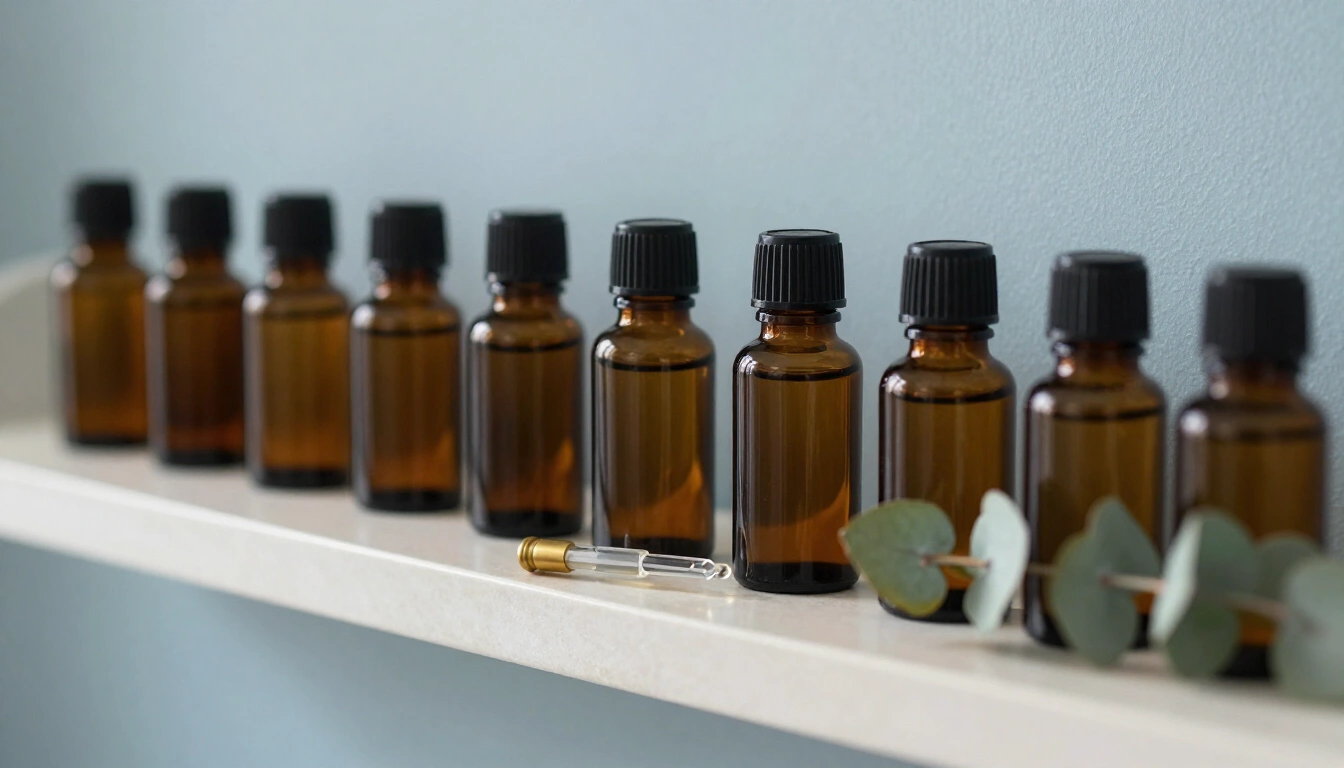
Any shop sells lavender. The part you are paying for is the blend: which oils, at what dilution, in what carrier, for a body that may be pregnant, on blood thinners, or prone to migraine. Standard dilution for adult body massage sits around two percent, lower for facial work and lower again during pregnancy.
Some oils are genuinely restricted. Clary sage and rosemary come off the list in pregnancy. Citrus oils raise photosensitivity, so a bergamot blend before a sunny weekend is a poor idea even in the north east. Bring your medication list to the consultation and the blend gets built around it.
Indian head massage and the thirty minute slot
Seated, clothed, no oil unless you want it, thirty minutes covering scalp, neck, shoulders and upper back. It is the treatment most people book on a lunch break, and it is the one we recommend for tension headaches that build across a working day.
It will not touch migraine with a medical cause, and the difference matters. A tension headache tends to sit like a band and eases with pressure. A migraine usually brings light sensitivity or nausea with it and needs a GP rather than a therapist.
Reiki and crystal work: how we talk about them
Both are on the list because clients ask for them and because an hour of stillness in a quiet room does something for people. We describe them as rest, not as treatment. You will not hear anyone here tell you that a stone cleared a blockage or that energy was rebalanced.
If that framing disappoints you, book elsewhere with our blessing. If it is the framing you were hoping somebody would use, you are in the right room.
What these sessions cannot tell you
A therapist reading your feet, your scalp or your breathing is picking up tension and temperature. That is real information and it shapes the hour. It is not diagnosis, and no amount of experience turns it into diagnosis.
If somebody tells you your liver is struggling because a point on your arch felt tender, walk out. That claim has been tested and it does not hold. The same applies to readings taken from a pendulum, a crystal or a photograph. Plenty of careful therapists work in this field, and a small number making claims like that damage the standing of everyone else in it.
Booking these alongside beauty treatments
They combine well and the ordering matters. Reflexology after a facial rather than before it, because you do not want to be walked back through a busy salon with product settling on your face. Aromatherapy massage before a nail appointment rather than after, so oil is not sitting on the nail plate.
Ninety minute double slots are cheaper than two separate bookings and mean one journey instead of two, which counts for something in February.
One honest caveat
None of these therapies treat disease, and none of them are a reason to delay seeing a doctor. If you are booking because something in your body has changed and you do not know why, book the GP first and come here afterwards. We have turned people away for exactly this reason and we would do it again.
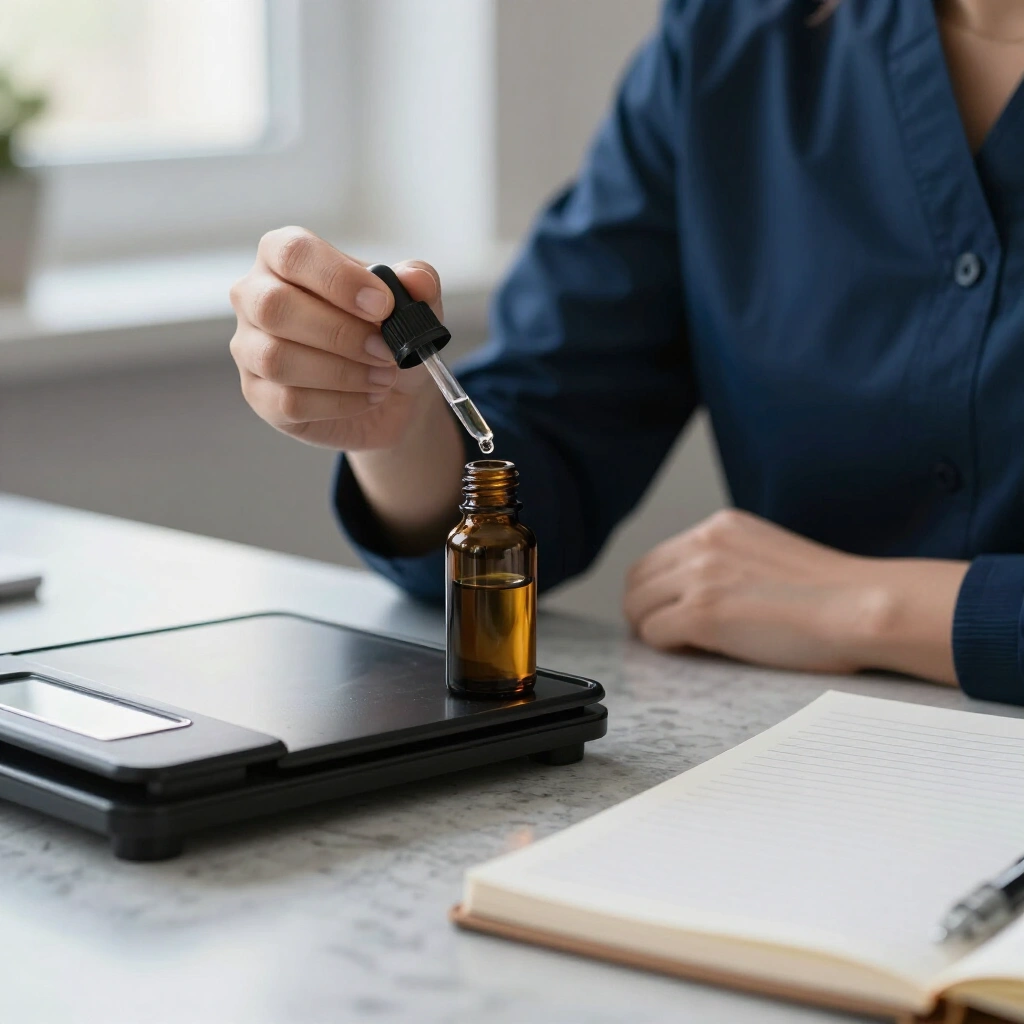
Blends are built at the consultation, around your medication list rather than a menu.
What actually happens when you walk in
Twenty minutes, no charge, and nothing gets done to you on that first visit unless you ask for it. We sit down, go through what has been bothering you, look at skin under a lamp if that is why you came, and check medication and anything recent that changes what is safe.
You leave with a plan written on a card and no obligation to book. Around a third of people who come for a consultation do not book a treatment, and that is a perfectly good outcome. Some of them come back in March.
Qualifications, insurance and how to choose a therapist in the UK

Level 3 includes an anatomy and physiology paper assessed on its own. That is the part worth asking about.
Nobody regulates beauty therapy in the United Kingdom. There is no register you must be on, no licence you must hold, and no legal barrier stopping somebody who did a weekend course from renting a room and calling themselves a therapist tomorrow. Once you know that, the questions worth asking change completely.
What the levels actually mean
Level 2 covers the basics: facials, waxing, manicure, pedicure, eyelash and brow treatments. It is a school leaver qualification in practice, and it is genuinely sufficient for what it covers.
Level 3 is where most of the treatments on this page sit. Body massage, aromatherapy, reflexology, electrical facial work and Indian head massage all require it, and it includes anatomy and physiology assessed separately. When somebody says they are VTCT level 3 qualified, that anatomy paper is the part that matters.
Level 4 covers advanced work: electrolysis for blemish removal, laser and light treatments, advanced skincare. Anyone offering laser hair removal without level 4 and separate device training is working outside their training, whatever the price list says.
Accreditation is not regulation
You will see logos everywhere: VTCT, CIBTAC, ITEC, plus dozens of private accrediting bodies. VTCT, CIBTAC and ITEC are awarding organisations with external assessment behind them. Some of the others are companies that will accredit a course for a fee, and the certificate at the end proves attendance rather than competence.
The Beauty Industry Approved scheme and the Complementary and Natural Healthcare Council are voluntary registers. Being on one is a reasonable signal. Not being on one is not automatically a red flag, because plenty of experienced therapists never joined.
Insurance is the practical test
Here is the shortcut. Ask to see the insurance certificate and check which treatments are listed on it. Insurers require proof of qualification for every treatment they cover, so the certificate does the verification work for you. If somebody offers a treatment that is not on their policy, they either cannot get cover for it or did not ask.
Any therapist should hand that over without hesitation. Ours is in a folder at reception and you are welcome to read it while the kettle boils.
Questions worth asking anywhere
Who will be treating me, and what are they qualified in. How long is the actual treatment time, as opposed to the booking slot. What happens if I react to something. Can I see the insurance. How many of these have you done in the last month.
That last one catches more than the others. A therapist who does two hot stone massages a year is technically qualified and practically rusty.
If you are thinking of training
Level 3 through a college takes a year part time and costs less than most private fast track courses. The fast track options that promise a diploma in four days are teaching you a sequence, not a subject, and insurers increasingly know the difference.
Work in somebody else’s room before you open your own. Two years of somebody else’s clients teaches you things no assessment does, including how to say no to a treatment that is wrong for the person in front of you.
Hygiene, and what a good room looks like
Couch roll or laundered linen changed between every client, and you should see it happen rather than take it on trust. Tools either single use or run through a steriliser, with the steriliser somewhere you can see it. Waxing pots with a fresh spatula each time, never a stick going back in. Hand washing at the start of the appointment, not just gloves pulled on over whatever came before.
Local authority registration is required in most English areas for treatments that pierce the skin, including electrolysis and microneedling. Ask which council registered them. Anyone offering skin piercing work without that registration is trading unlawfully, and the paperwork takes five minutes to check.
Prices that are too low are telling you something
A ninety minute massage at twenty five pounds does not cover the room, the linen, the insurance and an hour and a half of somebody’s labour. Something has been cut, and usually it is training or time. Slots advertised as sixty minutes that run forty five once you subtract the consultation and getting dressed are the most common version of this.
Ask what the treatment time is, not what the appointment time is. Honest answers to that question sort places faster than any review site.
One honest caveat
Qualifications tell you what somebody was assessed on, sometimes years ago. They say nothing about whether the room is clean, whether the couch linen was changed, or whether you will be listened to. Read recent reviews for those. Certificates and hygiene are different questions and both are worth asking.
Asked often enough to answer properly
Eleven questions that come up on the phone most weeks. If yours is not here, the consultation is free and asking costs nothing.
Do I have to book a consultation before a treatment?
For a first facial or any advanced work, yes. Twenty minutes, no charge, and it exists so nobody pays for the wrong treatment. For massage, reflexology or an Indian head massage you can book straight in, and the questions get asked in the first five minutes instead. If you have a medical condition, are pregnant, or started a new medication recently, take the consultation regardless of what you are booking.
How much do treatments cost?
Prices are confirmed at the consultation rather than published as a flat list, because the right treatment gets decided there. A sixty minute slot and a ninety minute slot are different treatments, not the same one stretched, and a results facial uses more product than a relaxation facial. You will be given the exact figure before anything is booked, and it does not move afterwards.
Can I book a treatment while pregnant?
After twelve weeks, yes, with adjustments. Massage is done side lying with bolsters, deep abdominal work and certain ankle points are avoided, and sessions stay at sixty minutes. Aromatherapy blends drop clary sage, rosemary and a few others. Before twelve weeks we ask you to wait. That is a caution rather than evidence of harm, and most therapists in the UK work the same way.
What if my skin reacts to something?
Ring us the same day. Redness and warmth for a few hours after a stimulating facial is normal. Itching, stinging, or spots in areas that were clear before is a reaction and we want to know within twenty four hours, not at your next appointment. Patch testing is done before tinting, lash work and any first use of a new active product.
Is there parking, and is the room accessible?
Free parking sits directly outside on Chadderton Drive and there is no time limit. The treatment room is on the ground floor with a step at the entrance. Tell us when you book if that step is a problem and we will meet you at the door. The couch drops low enough for most transfers, and there is space beside it for a chair or frame.
How far in advance should I book?
Two weeks for a weekend slot, and about a week for weekdays. Tuesday and Thursday evenings fill first and go around three weeks out from October. If you want a specific therapist for a course of treatments, book the whole course at the first appointment. Cancellations do come up, so it is worth asking even when the online diary looks full.
What is your cancellation policy?
Twenty four hours notice, no charge, no argument. Inside twenty four hours we ask for half the treatment price, and we waive it for illness, childcare and anything that is obviously outside your control. This is a single room, so a missed appointment is an empty hour rather than a gap somebody else can fill. Most people give us far more notice than we ask for.
Can I bring someone with me?
Yes, and for some people it makes the difference between booking and not booking. There is a chair in the room and a seat outside it, whichever you prefer. Anyone under sixteen must have a parent or guardian present for the whole appointment, and there are treatments we will not do at all under eighteen, including any advanced skin work.
Do you sell the products you use?
Some of them, and we do not push it. Around half of first consultations end with us suggesting you remove something from your existing routine rather than add anything. If a product is genuinely doing a job we will say which one and what it costs, including where to buy it more cheaply than from us. Nobody here works on product commission.
How soon will I see a difference?
Massage feels different immediately and holds for about four days after a single session. Skin runs slower. A results facial shows most of its effect between day seven and day ten, which is why treatments are spaced four to six weeks apart rather than weekly. Pigmentation is the slowest of all and needs a course of six before you judge it fairly.
Do you treat men?
Yes, and roughly a quarter of the massage diary is men, mostly from trades and driving jobs. Back, neck and shoulder work is the usual booking. Facials come up less often, and the treatment is identical apart from allowing for shaving, which means no exfoliation within twelve hours either side. Nobody gets a different service or a different price because of it.
Twenty minutes, no charge, no obligation to book anything
Bring your questions and the products on your shelf. We will tell you what is worth doing, what is not, and what should go to a GP instead.
Written by the therapists working the room in Thornaby, with treatment protocols checked against current VTCT level 3 course content and UK insurer requirements. Where the evidence for a therapy is weak, we say so on the page rather than in a disclaimer at the bottom. Corrections are welcome and get made the same week.
Published 19 August 2026. Reviewed quarterly.
© 2026 Navey Blu. Treatments described on this page are not a substitute for medical advice. Speak to a GP about anything that has recently changed in your body.